

- TorqIQ® technology enabling engines and fuel cells through the energy transition
- Electrification increasing flexibility and enabling real-time digital optimisation
- Accelerating the transition to net zero with future fuels and hydrogen
- We breathe life into the power systems of the future, improving efficiency, lowering cost, reducing emissions, and unlocking the potential for real-time digital performance optimisation
- We are experts in designing, manufacturing, and supporting electrified turbomachinery solutions for engines and fuel cells with a unique blend of all the required technical disciplines under one roof
- We have an unparalleled pedigree with decades of successful field experience in challenging conditions across the globe
- maximise power-density and efficiency while minimising emissions
- maximise flexibility and responsiveness
- ensure adaptability to new carbon-free sustainable fuels (e.g. hydrogen)
Bowman’s eTurbo Systems can make engines dance!
2. Integrated Boost Assist by eTurbocharger [B]
3. Full eTurbocharger – Boost Assist and Heat Recovery [B+C]
4. Integrated Heat Recovery by eTurbocharger [C]
5. Bolt-on Heat Recovery by eTurbine [D]
- Engines with best possible flexibility, adaptability and responsiveness
- Real-time control and optimisation
- Enabling digitalisation and machine learning
- More efficiency and less environmental impact – zero carbon potential
- Using less fuel, lowering costs, reducing emissions (10-100% less CO
- Enabling combustion engines to use zero-carbon fuels such as hydrogen and ammonia
- Using less fuel, lowering costs, reducing emissions (10-100% less CO
- Enabling long-term sustainability
- Extending the useful life of the combustion engine
- Accelerating the potential for hydrogen fuel cells
– today and tomorrow

BOWMAN eTURBO SYSTEMS
Sustainability through electrification
Our MISSION
We are committed to supplying solutions to enable dependable, ever cleaner, and sustainable provision of power for generations to come, positively contribuiting to a net zero future
Through our eTurbo Systems, powered by our unique TorqIQ® technology, our mission is to enable more efficient and flexible use of today’s fuels, and accelerate the transition to tomorrow’s.
- We breathe life into the power systems of the future, improving efficiency, lowering cost, reducing emissions, and unlocking the potential for real-time digital performance optimisation
- We are experts in designing, manufacturing, and supporting electrified turbomachinery solutions for engines and fuel cells with a unique blend of all the required technical disciplines under one roof
- We have an unparalleled pedigree with decades of successful field experience in challenging conditions across the globe
Our CHALLENGE
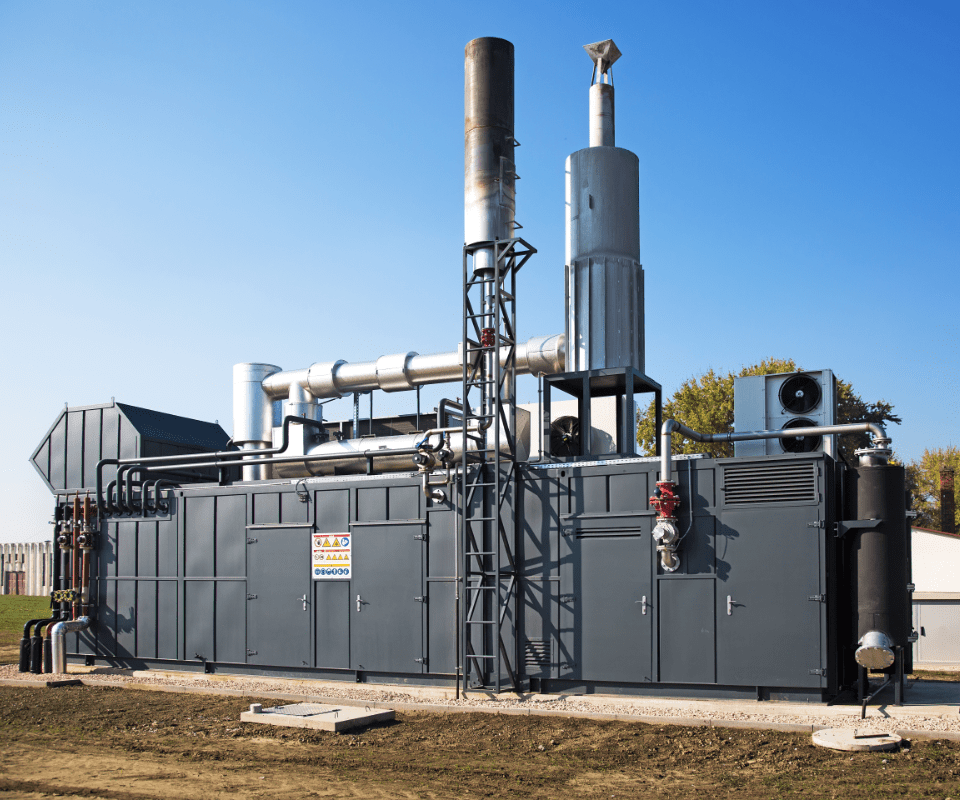
The world is becoming increasingly complex and uncertain. Yet one certainty is that is needs, and will continue to need, power, and power which can be both reliable and sustainable.
- maximum flexibility and responsiveness
This is where Bowman eTurbo Systems excel.
The SOLUTIONS
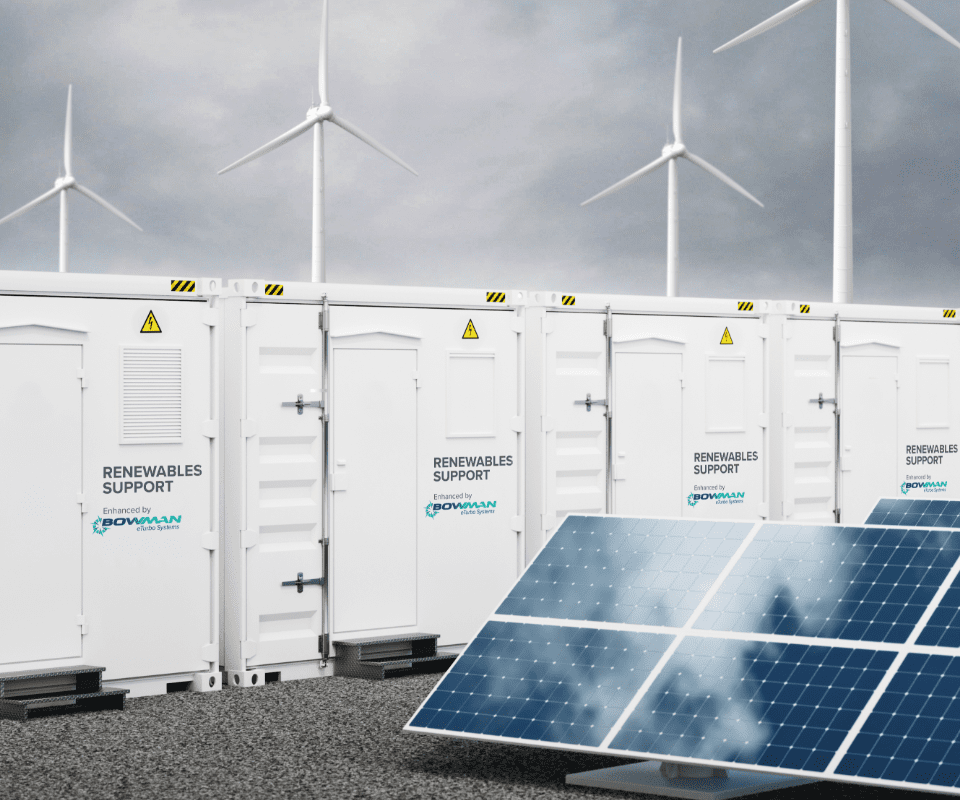
Bowman’s TorqIQ® electrification technology, embedded in our eTurbo Systems products, enables the ability to independently and dynamically optimise engine boosting and heat recovery with real-time digital responsiveness, enabling engines and fuel cells to be more efficient, responsive, and adaptable.
Bowman’s eTurbo Systems can make engines dance!
There are five possible configurations of the eTurbo Systems that Bowman offers, providing benefits via on-demand boost pressure and/or exhaust gas waste heat recovery. Bowman offers TorqIQ® technology for bespoke consultancy projects or in our off-the-shelf eTurbo Systems product solutions, and will work with you to determine which is the best approach for you.
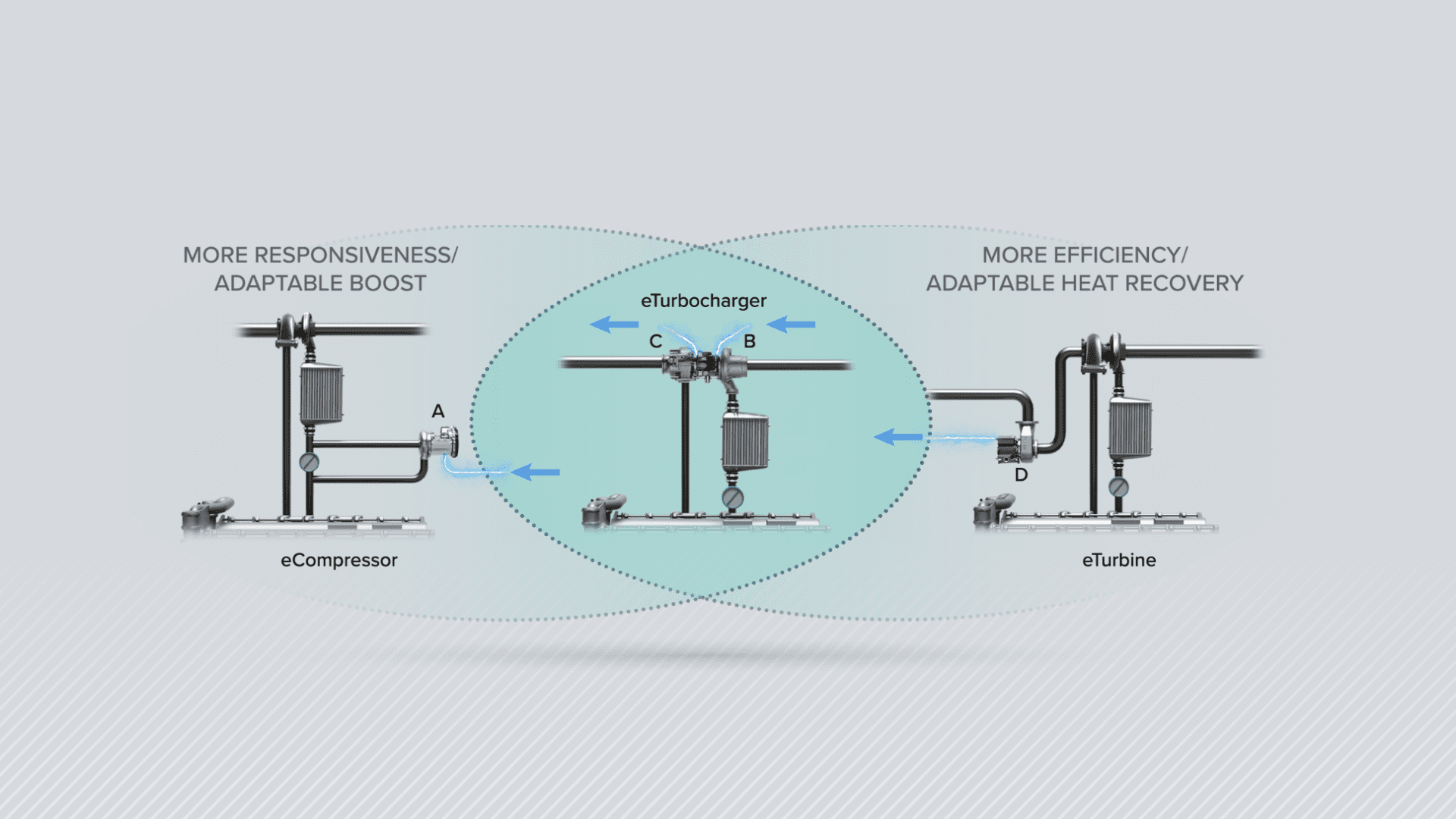
- Bolt-on Boost Assist by eCompressor [A] – see how they work
- Integrated Boost Assist by eTurbocharger [B]
- Full eTurbocharger – Boost Assist and Heat Recovery [B+C]
- Integrated Heat Recovery by eTurbocharger [C]
- Bolt-on Heat Recovery by eTurbine [D]
Our BENEFITS
Adaptability, Efficiency, Sustainability.
- Engines with best possible flexibility, adaptability, and responsiveness
- Real-time control and optimisation
- Enabling digitalisation and machine learning
- More efficiency and lessenvironmental impact - zero carbon potential
- Using less fuel, lowering costs, reducing emissions (10-100% less CO2)
- Enabling combustion engines to use zero-carbon fuels such as hydrogen and ammonia
- Enabling long-term sustainability
- Enabling the useful life of the combustion engine
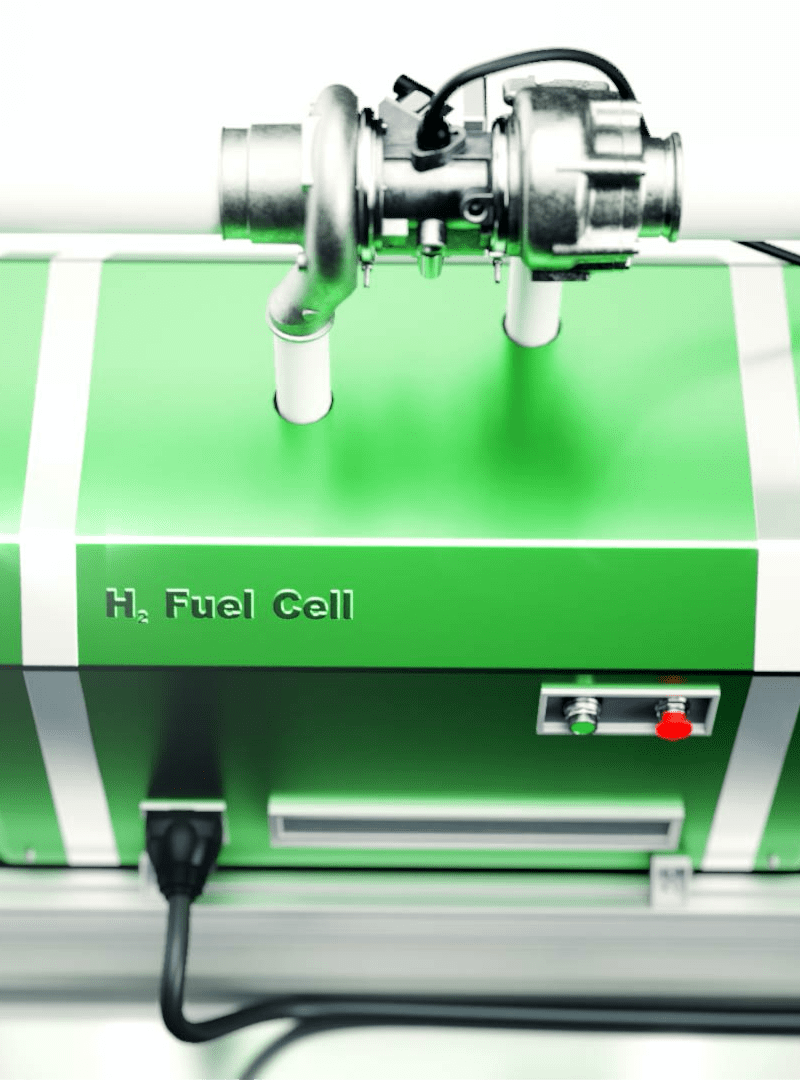
- Accelerating the potential for hydrogen fuel cells
Our MARKETS
Bowman eTurbo Systems provide solutions for a variety of on-highway and off-highway markets.

Your SUPPORT
We know how to look after you
- today and tomorrow
Latest News and MEDIA
Read our blogs, press releases, staff interviews and articles on cleantech, energy efficiency, and other topics impacting the power generation market. click here
BOWMAN eTURBO SYSTEMS
Sustainability through electrification
Our MISSION
We are committed to supplying solutions to enable dependable, ever cleaner, and sustainable provision of power for generations to come, positively contribuiting to a net zero future
Through our eTurbo Systems, powered by our unique TorqIQ® technology, our mission is to enable more efficient and flexible use of today’s fuels, and accelerate the transition to tomorrow’s.
- We breathe life into the power systems of the future, improving efficiency, lowering cost, reducing emissions, and unlocking the potential for real-time digital performance optimisation
- We are experts in designing, manufacturing, and supporting electrified turbomachinery solutions for engines and fuel cells with a unique blend of all the required technical disciplines under one roof
- We have an unparalleled pedigree with decades of successful field experience in challenging conditions across the globe
Our CHALLENGE
The world is becoming increasingly complex and uncertain. Yet one certainty is that is needs, and will continue to need, power, and power which can be both reliable and sustainable.
- maximise flexibility and responsiveness
This is where Bowman eTurbo Systems excel.
The SOLUTIONS
Bowman’s TorqIQ® electrification technology, embedded in our eTurbo Systems products, enables the ability to independently and dynamically optimise engine boosting and heat recovery with real-time digital responsiveness, enabling engines and fuel cells to be more efficient, responsive, and adaptable.
Bowman’s eTurbo Systems can make engines dance!
There are five possible configurations of the eTurbo Systems that Bowman offers, providing benefits via on-demand boost pressure and/or exhaust gas waste heat recovery. Bowman offers TorqIQ® technology for bespoke consultancy projects or in our off-the-shelf eTurbo Systems product solutions, and will work with you to determine which is the best approach for you.
- Bolt-on Boost Assist by eCompressor [A] – see how they work
- Integrated Boost Assist by eTurbocharger [B]
- Full eTurbocharger – Boost Assist and Heat Recovery [B+C]
- Integrated Heat Recovery by eTurbocharger [C]
- Bolt-on Heat Recovery by eTurbine [D]
Our BENEFITS
Adaptability, Efficiency, Sustainability.
- Engines with best possible flexibility, adaptability, and responsiveness
- Real-time control and optimisation
- Enabling digitalisation and machine learning
- More efficiency and lessenvironmental impact - zero carbon potential
- Using less fuel, lowering costs, reducing emissions (10-100% less CO2)
- Enabling combustion engines to use zero-carbon fuels such as hydrogen and ammonia
- Enabling long-term sustainability
- Enabling the useful life of the combustion engine
- Accelerating the potential for hydrogen fuel cells
Our MARKETS
Bowman eTurbo Systems provide solutions for a variety of on-highway and off-highway markets.
Your SUPPORT
We know how to look after you
- today and tomorrow